
Education · 17 September 2026
How Personalised Books Build Genuine Reading Confidence
Discover how putting your child at the heart of their own storybook can transform reluctant readers. Learn practical, stress-free tips to build reading confidence at home.
Turn reading practice into their story
Make a personalised book starring your child — a gentle way to build confidence with words they'll actually want to read.
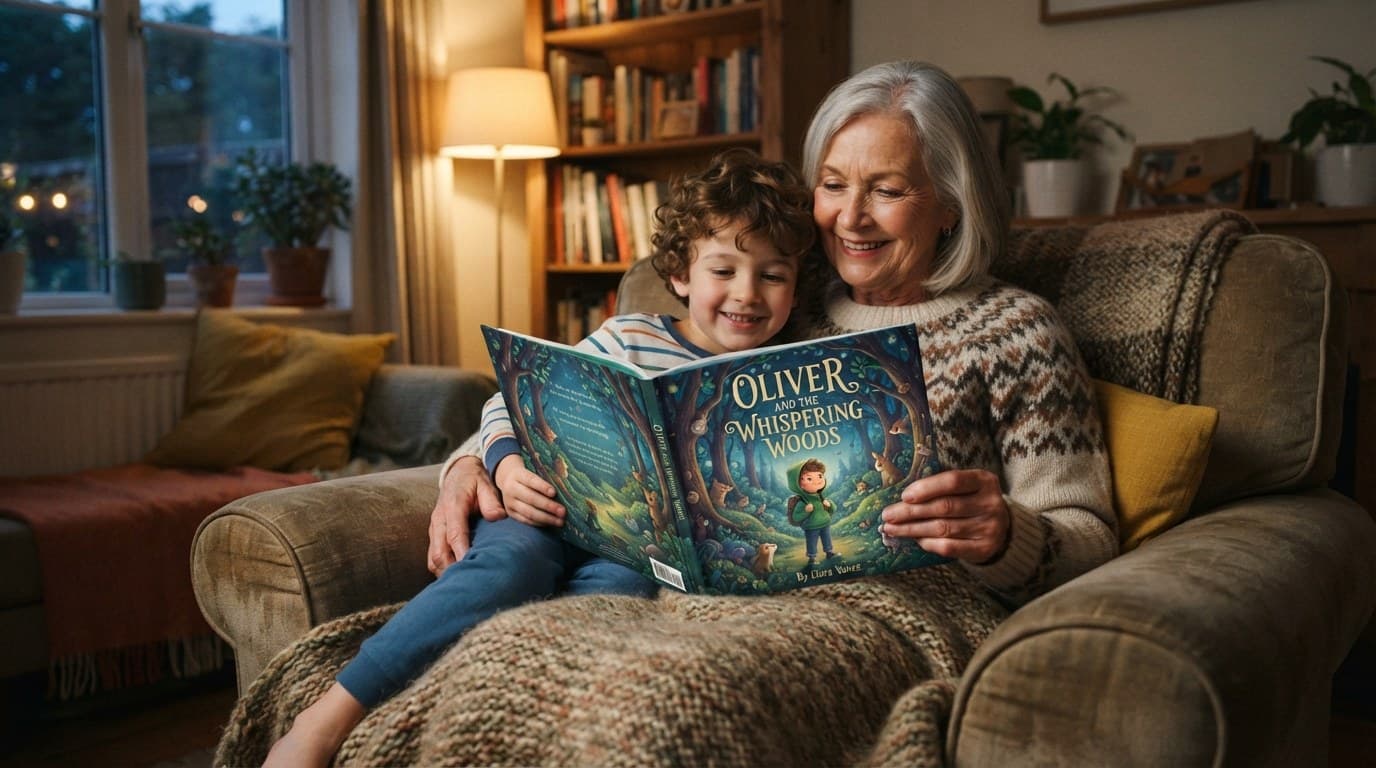
For many children, the transition from listening to stories to reading them independently is a magical milestone. For others, however, it can feel like standing at the foot of a very steep mountain. If you have ever sat with a child who is struggling to decode a sentence, you will know the signs: the heavy sighs, the sudden distraction, the fidgeting, and the quiet declaration of, "I can’t do this."
As parents and grandparents, our instinct is to encourage and support. Yet, forcing the issue often backfires, turning a cosy bedtime routine into a battle of wills. The secret to unlocking a love for books often isn't more phonics drills; it is building self-efficacy.
One of the most gentle and effective ways to spark this self-belief is through a reading confidence personalised book. When a child sees themselves as the hero of the story, the relationship they have with the printed word changes overnight. Let’s explore the science behind this shift, and look at practical ways you can foster a lifetime of reading confidence at home.
---
The Psychology of the Reluctant Reader
To understand why reading confidence is so fragile, we have to look at what happens in a child’s mind when they open a book. Reading is not a natural human function like walking or talking; it is a complex cognitive task that requires the brain to coordinate visual processing, auditory processing, memory, and comprehension all at once.
When a child is struggling, their working memory becomes overloaded. If they have to spend all their mental energy sounding out individual letters, they lose the thread of the story. When they lose the thread, they lose interest.
This can lead to a frustrating cycle: 1. Frustration: The child finds reading difficult. 2. Avoidance: They avoid picking up books to protect themselves from feeling foolish. 3. Lack of Practice: Because they avoid reading, they don't get the practice they need. 4. Stagnation: Their skills fall behind their peers, further damaging their confidence.
To break this cycle, we need to lower the cognitive load and increase the emotional reward. This is where the magic of personalisation comes in.
---
Why Seeing Themselves in the Story Changes Everything
When children read standard fiction, they have to do the mental heavy lifting of imagining a character, understanding their motivations, and placing themselves in an unfamiliar world.
When we introduce personalised children's books, we instantly remove a layer of cognitive friction. The child doesn't need to spend energy imagining who the main character is—they already know them intimately. It is *them*.
1. The Power of Mirroring Psychologists call this "self-referent encoding." We are naturally wired to pay closer attention to information that relates directly to us. When a child sees their own name on the page, their brain registers the text as personally important.
Taking this a step further, photo storybooks that feature the child’s actual likeness create an immediate, powerful visual anchor. Instead of trying to connect with a cartoon drawing that looks vaguely like them, they see their own smiling face facing an adventure. This visual familiarity acts as a reassuring handhold, making the text feel accessible and safe.
2. Shifting from Spectator to Hero In traditional stories, children are spectators. They watch Harry Potter fly on a broomstick or Matilda move books with her mind. But when a child is the protagonist, they are no longer just watching the adventure—they are driving it.
This shift in perspective does wonders for a child's self-esteem. If the child in the book can climb the mountain, solve the puzzle, or make friends with the friendly dragon, then the child holding the book feels a reflected sense of capability. This emotional boost directly translates into their willingness to tackle the tricky words on the page.
---
How a "Reading Confidence Personalised Book" Bridges the Gap
So, how exactly does a reading confidence personalised book help a child who is struggling with their reading? It works on three distinct levels: engagement, comprehension, and repetition.
High Engagement, Low Resistance The biggest hurdle with reluctant readers is getting them to open the book in the first place. A book that features their own face and name has an irresistible pull. It feels less like a school textbook and more like a special toy or a treasured keepsake. Because they want to look at the pictures of themselves, they are much more willing to engage with the accompanying text.
Natural Comprehension Clues When a child is featured in the illustrations, the context of the story becomes highly relatable. If the illustration shows them wearing their favourite red jumper or standing next to a familiar-looking pet, they can use these visual clues to predict what the words on the page might say. This context-based guessing is a vital part of early reading development, helping them decode unfamiliar vocabulary without getting stuck.
The Joy of Repetition Any parent knows that children love repetition. They will happily listen to the same story fifty times. For an early reader, repetition is how sight-recognition of words is built. Because children are fascinated by stories starring themselves, they will ask to read their personalised book over and over again. With each reading, their familiarity with the vocabulary grows, and their reading speed increases. Suddenly, they are reading fluently—and they realise they are doing it all by themselves.
---
Practical Tips for Parents and Grandparents
Creating a supportive reading environment at home is about more than just having the right books. It is about the atmosphere you build around those books. Here are four practical, stress-free strategies to try:
1. Try "Echo Reading" If a child is feeling overwhelmed by a page of text, try echo reading. You read a sentence aloud, tracking the words with your finger, and then invite them to "echo" it back to you. This models fluent reading—showing them where to pause for commas and how to use expression—and allows them to practice the physical act of reading without the pressure of decoding the words first.
2. Keep Bedtime for Pleasure, Not Testing Bedtime should be a place of safety and warmth, not a classroom. If you are using a bedtime story generator or reading a favourite book before sleep, focus entirely on the joy of the narrative. If they make a mistake on a word, gently supply the correct word rather than making them stop and sound it out. This keeps the story flowing and ensures they associate reading with relaxation and comfort.
3. Ask Open-Ended Questions Boost comprehension by talking about the pictures and the plot. Ask questions like, *"Look at your face there—how do you think you were feeling when you saw the giant castle?"* or *"What do you think you will do next in the story?"* This helps them connect their own real-world emotions to the text on the page.
4. Praise the Effort, Not Just the Accuracy Instead of saying "Good reading" when they get a word right, try praising their persistence. Say things like, *"I loved how you didn't give up on that long word,"* or *"You worked really hard to figure out that sentence."* This builds a "growth mindset," teaching them that reading is a skill that grows with practice, rather than an innate talent they either have or don't.
---
A Modern Approach to Personalised Storytelling
While traditional personalised books have been around for decades, technology has opened up wonderful new ways to support early readers. Today, we can move beyond simply printing a child's name on a page.
At TurtleTime, we believe that every child deserves to see themselves as the hero of their own story. By using a single photo, we create beautiful, illustrated books where your child’s real likeness is woven into the artwork. But we also know that reading confidence is multi-sensory. That is why our digital stories come with read-aloud narration, allowing children to listen to the correct pronunciation of words as they follow along on the screen.
Whether you enjoy the digital version together on a tablet or hold a beautifully printed, high-quality hardcover book in your hands, the goal remains the same: to make your child feel capable, celebrated, and deeply connected to the stories they read.
Building reading confidence doesn't happen overnight, but by putting your child at the very centre of the adventure, you can turn a daunting task into a joyful journey of discovery.
---
Make tonight's story
Why not see the magic for yourself? You can create a personalised adventure for your child or grandchild on TurtleTime today. It takes just a moment to upload a photo, and you can explore the digital storybook with read-aloud narration entirely for free—no credit card required. Let's make tonight's bedtime story one they will never forget.
Make tonight's story
Upload a photo, pick a theme, and read a brand-new illustrated adventure aloud in about a minute — create your free story.
Turn reading practice into their story
Make a personalised book starring your child — a gentle way to build confidence with words they'll actually want to read.