
Education · 14 September 2026
Choosing the Best Personalised Book for Early Readers
Discover how personalised storybooks can boost confidence and foster a lifelong love of reading in early learners. Learn what features to look for to support your child's literacy journey.
Turn reading practice into their story
Make a personalised book starring your child — a gentle way to build confidence with words they'll actually want to read.
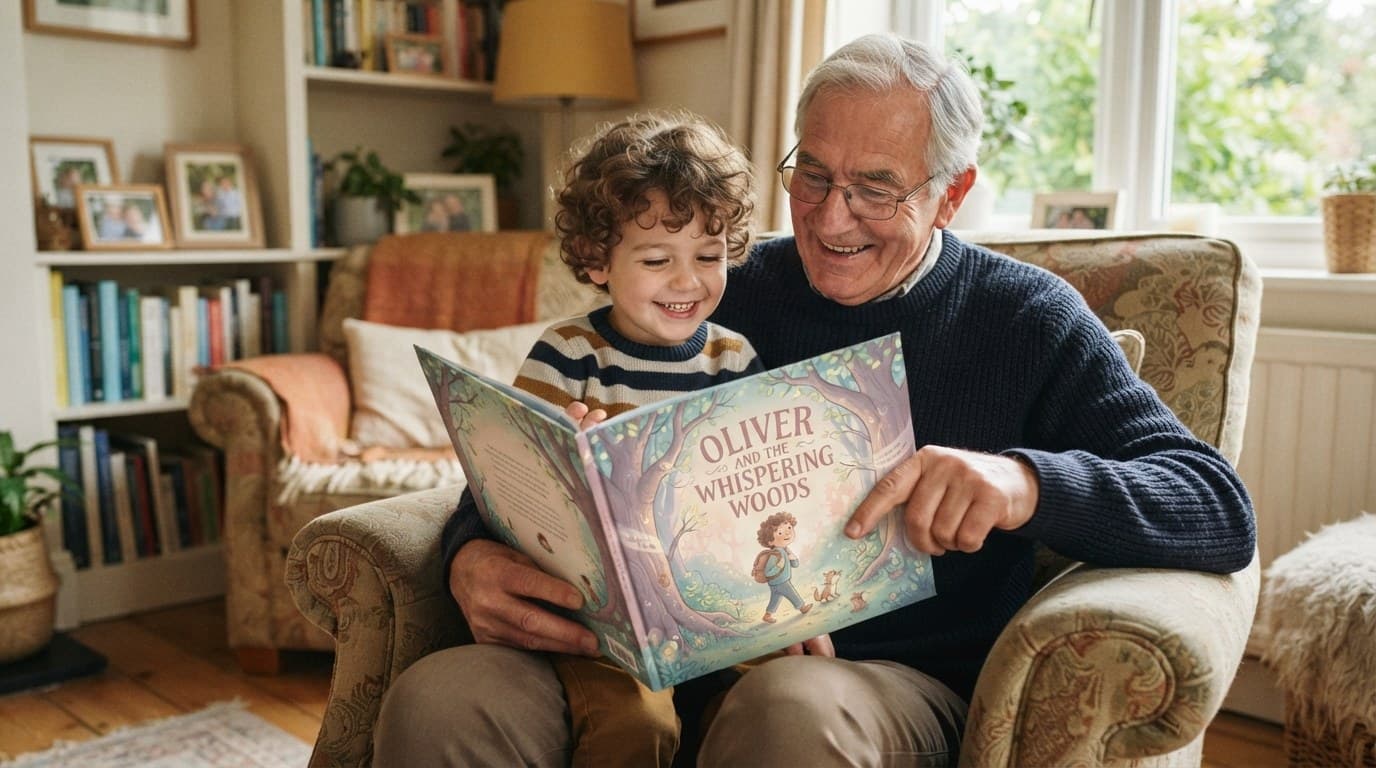
Learning to read is one of the most magical milestones in a child’s life, but it can also be one of the most challenging. For many young children, transitioning from looking at pictures to decoding words on a page feels like hard work. When reading feels like a chore, motivation can quickly slip away.
This is where the magic of personalisation comes in. A personalised book for early readers does more than just put a child’s name in print; it places them at the very heart of the adventure. By bridging the gap between play and learning, these special books can transform reluctant readers into eager bookworms.
In this guide, we will explore why personalisation is such a powerful tool for early literacy, what to look for when choosing a book, and how to use these stories to build reading confidence at home.
---
Why Personalisation Matters for Early Readers
When children first start learning to read, they have to process a lot of information at once. They are decoding phonics sounds, recognising sight words, and trying to comprehend the story all at the same time. This cognitive load can be overwhelming.
Personalisation helps ease this burden by tapping into the "self-referencing effect"—a psychological phenomenon where we remember and engage more deeply with information that relates directly to us.
1. Instant Engagement When a child opens a book and sees themselves as the main character, their attention is instantly captured. They are no longer just passive observers of someone else's story; they are the hero. This immediate connection makes them much more willing to sit down and tackle the text.
2. Contextual Clues and Comprehension Early readers rely heavily on illustrations to help them understand the text. In photo storybooks, where the illustrations are designed to look exactly like the child, the connection between the image and the words becomes incredibly clear. If the text says, "Leo climbed the tall hill," and the picture shows a character who looks just like Leo climbing a hill, the child can easily decode the sentence using visual clues.
3. Building Confidence There is a unique sense of pride that comes from reading a book about yourself. For a child who might be struggling with phonics at school, successfully reading a page of their own personalised book provides a massive confidence boost. This positive reinforcement is key to developing a lifelong love of reading.
---
What to Look for in a Personalised Book for Early Readers
Not all personalised children's books are created equal, especially when it comes to early readers. To ensure a book supports your child’s literacy development rather than frustrating them, look for the following features:
Simple, Repetitive Sentence Structures Repetition is a cornerstone of early reading. Books that use repetitive sentence patterns (e.g., "I see a red bird. I see a blue fish.") help children build rhythm and predict the next words. This builds reading momentum and helps them practice high-frequency sight words.
Clear, Easy-to-Read Fonts For early readers, font choice matters. Avoid books with overly decorative, cursive, or faint fonts. Look for clean, sans-serif fonts where letters like 'a' and 'g' are written the way children are taught to write them in school. There should also be plenty of space between words and lines so the text doesn't look cluttered.
High-Quality Visuals That Match the Text The illustrations should directly mirror the action in the text. If the story tells of a green dragon, the illustration must show a green dragon. This alignment helps children self-correct if they misread a word.
Age-Appropriate Themes Early readers thrive on stories that reflect their daily lives or spark their imaginations without being overly complex. Simple adventures, bedtime routines, or stories about animals and nature are perfect for this developmental stage.
---
How TurtleTime Supports Early Literacy
If you are looking for a unique way to bring stories to life, TurtleTime offers an innovative approach to personalised storytelling. It is designed to adapt to your child's needs, making it an excellent companion for early readers.
* True Visual Personalisation: Unlike traditional books that simply match a hair colour or name, TurtleTime uses a photo of your child to create a beautifully illustrated hero character that truly looks like them. Seeing their own face on the page instantly boosts engagement. * Read-Aloud Narration: For children who are still learning to decode words, TurtleTime’s digital stories feature warm, read-aloud narration. Children can listen to the words as they follow along, helping them connect spoken words to written text. * From Screen to Shelf: While digital stories are wonderful for interactive learning, there is nothing quite like holding a physical book. TurtleTime offers optional high-quality hardcover printing, allowing you to create a beautiful keepsake that your child can practice reading night after night.
Whether you are using a digital bedtime story generator to create quick, custom tales or ordering a printed keepsake, the focus remains on making reading a joyful, shared experience.
---
Tips for Reading Personalised Books with Your Child
To get the most out of your personalised book, try incorporating these simple strategies into your reading routine:
1. Point to the Words As you read together, run your finger under the words from left to right. This helps early readers understand the directionality of print and connects the sounds they hear with the letters on the page.
2. Encourage "Picture Walking" Before you read the text, flip through the pages together and look at the pictures. Ask your child, "What do you think *you* are doing in this picture?" This pre-reading strategy builds comprehension and vocabulary before they even attempt to read the words.
3. Celebrate the Successes If your child successfully sounds out a tricky word or reads an entire sentence on their own, celebrate it! Positive reinforcement builds the resilience needed to tackle more challenging texts in the future.
4. Keep it Short and Sweet Early readers tire easily. Ten minutes of focused, happy reading is far more beneficial than thirty minutes of frustrated struggle. Stop reading while your child is still enjoying it, so they look forward to the next session.
---
A Gift That Inspires Learning
For parents, grandparents, and carers, finding ways to support a child's education at home can sometimes feel daunting. A personalised book is a simple, screen-free (or interactive screen-time) tool that naturally invites children into the world of words.
By making your child the hero of their own story, you aren't just giving them a book—you are giving them the confidence to say, "I am a reader."
---
Make tonight's story
Ready to see your child become the hero of their own learning adventure? With TurtleTime, you can create a personalised, beautifully illustrated storybook featuring your child's likeness in just a few clicks.
Try TurtleTime today for free—no credit card required—and experience the magic of read-aloud narration and custom storytelling tonight.
Make tonight's story
Upload a photo, pick a theme, and read a brand-new illustrated adventure aloud in about a minute — create your free story.
Turn reading practice into their story
Make a personalised book starring your child — a gentle way to build confidence with words they'll actually want to read.