
Milestones · 26 July 2026
Starting Nursery: How Personalised Stories Ease the Transition
Starting nursery is a huge milestone for toddlers and parents alike. Discover how a personalised transition story can build confidence and ease separation anxiety.
Mark the moment with their own book
Big days feel smaller when your child is the hero. Upload a photo and we'll illustrate a story just for them.
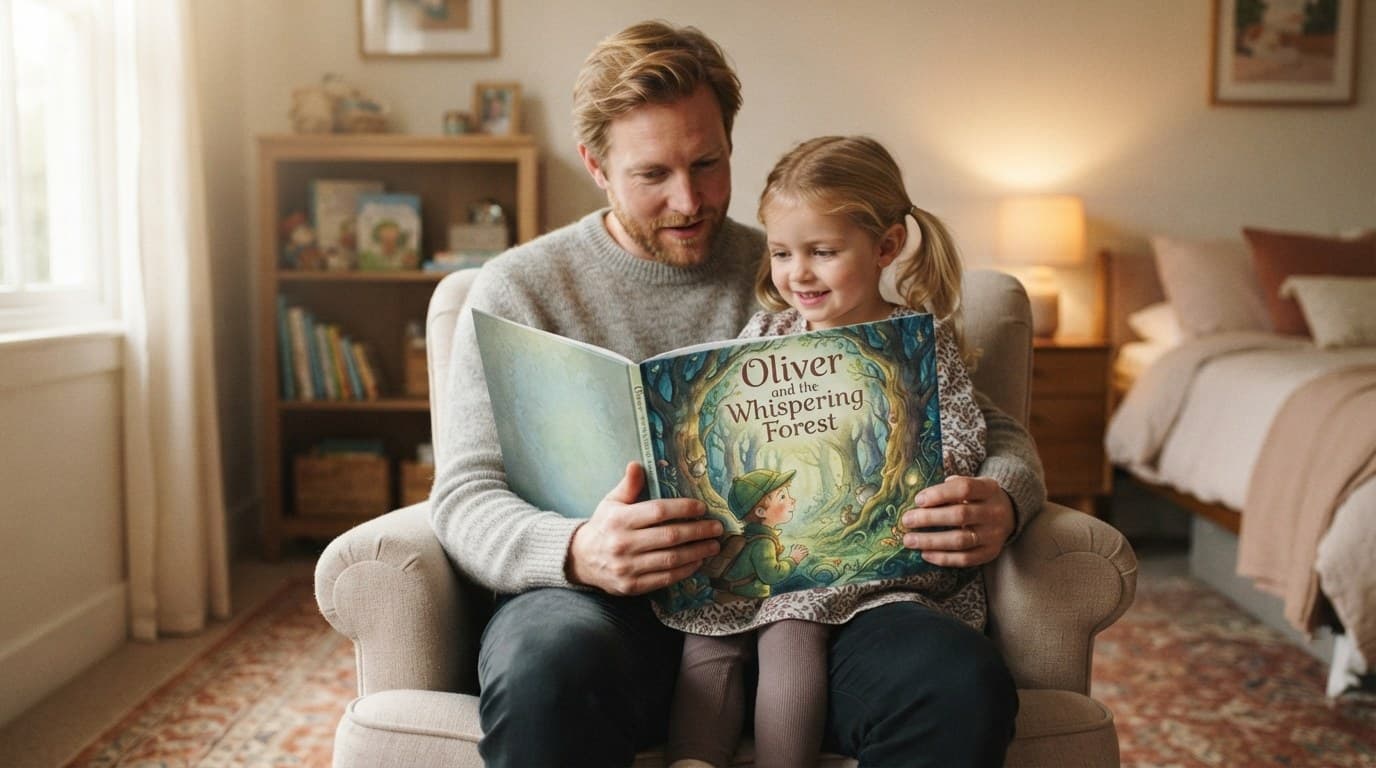
Starting nursery is one of those bittersweet milestones that catches you by surprise. One minute you are cradling a newborn, and the next, you are labelling tiny cardigans and wondering how on earth they are big enough to walk through those double doors alone.
It is a time of immense growth, but it can also bring a wave of anxiety—for both you and your little one. Toddlers thrive on predictability. To them, the familiar routines of home are a safety blanket. Stepping into a new environment filled with unfamiliar faces, loud sounds, and different expectations can feel like a massive leap into the unknown.
Fortunately, there is a gentle, time-tested way to bridge this gap: storytelling. Specifically, a starting nursery personalised story can act as a emotional map, helping your child navigate their feelings and understand exactly what to expect before their first day.
The Psychology of the Transition: Why Familiarity Matters
To a two- or three-year-old, the concept of 'nursery' is incredibly abstract. If you tell them, "You are going to nursery next week!" they might nod happily, but they do not truly understand what that means. Will you be there? What will they eat? Where do they sleep?
Without concrete details, their imagination can sometimes fill in the blanks with worry. This is where 'social scripting' comes in. Social scripting is a technique used by educators and child psychologists to prepare children for new social situations by walking them through the steps in advance.
When children know what to expect, their cortisol (stress) levels drop. They feel in control. A story that mirrors their upcoming routine transforms the terrifying 'unknown' into a familiar, exciting adventure.
Why a Personalised Story Works Wonders
There are many wonderful picture books about starting school or nursery on the market. However, generic books have a limitation: they feature other characters. While your child might enjoy reading about a little bear going to playgroup, they still have to make the cognitive leap of applying the bear's experience to themselves.
Personalised children's books remove that cognitive barrier entirely. When the main character has your child's name, their hair colour, and lives in a house that looks just like theirs, the story stops being about someone else. It becomes a rehearsal for their own life.
By reading a story where they are the hero, your child can mentally practice the transition. They see themselves hanging up their coat, saying a brave goodbye, playing with the sand pit, and—most importantly—being reunited with you at the end of the day.
The Power of Visual Likeness
To make the story feel even more real, seeing their actual face in the illustrations can be incredibly powerful. This is where modern tools can beautifully support traditional parenting.
With photo storybooks, you can upload a simple photo of your child and see it transformed into beautiful, warm illustrations. If you are looking for a way to make the transition feel tangible, TurtleTime offers a lovely option. You can create a story where your child’s real likeness is painted into the pages of the book. It also includes read-aloud narration—perfect for when you want to cuddle up and listen together—and you can even order a beautiful hardcover print to keep on their bookshelf forever.
Seeing their own smiling face on the nursery carpet alongside their new teacher or key worker makes the upcoming change feel incredibly safe and inviting.
How to Structure a Reassuring Transition Story
If you are writing or customizing a story for your child, the structure should focus on predictability and reassurance. Here is a simple, effective four-part structure to follow:
1. The Predictable Morning Start the story in the safety of the home. Describe the familiar morning routine: waking up, having breakfast (maybe their favourite porridge or toast), and putting on their nursery clothes. This establishes that the day begins just like any other day, grounding them in comfort.
2. The Loving Goodbye This is often the hardest part of the day for both of you. In the story, address the goodbye openly but keep it brief and positive. You might include a special ritual, like a 'pocket kiss' (where you blow a kiss into their pocket for them to keep all day) or a special high-five. The story should show the child feeling a little bit quiet or sad, but then taking a deep breath and stepping inside. It is important to validate their feelings—it is okay to feel small, but they are also incredibly brave.
3. The Joy of Discovery Focus on the activities they will actually do. If you know their nursery has a water table, a reading corner, or a climb-on tractor, put those exact things in the story. Describe the fun of painting, singing songs at carpet time, and eating a snack with new friends. This builds positive anticipation.
4. The Promised Return This is the most crucial part of the narrative. The golden rule of nursery drop-offs is ensuring the child knows you will return. In your story, emphasize that after playtime, lunch, and storytime, "Mummy/Daddy/Grandma always comes back." Show the joyful reunion at the end of the day, followed by a cosy walk home to talk about all the fun things they did.
Practical Tips to Support the Book
Once you have your starting nursery personalised story ready, use it as a tool alongside these practical settling-in strategies:
* Read it on repeat: Do not just read the story once. Read it every night for two weeks leading up to the big day. Repetition builds security. * Point out the details: Ask questions like, "Look, there you are playing with the blue playdough! Do you think you will make a dinosaur at nursery?" * Keep language consistent: Use the same phrases in real life that you use in the book. If the book says, "A swift hug and a wave goodbye," use those exact words at the actual nursery gate. * Create a calming bedtime routine: The transition can be exhausting for little brains. In the evenings, use a bedtime story generator to create soft, quiet, wind-down tales that help soothe any leftover daytime excitement or anxiety, ensuring they get the deep sleep they need to process their big days.
A Milestone to Celebrate
Starting nursery is a beautiful step towards independence. It is the beginning of their own social world, filled with friendships, messy paintings, and new songs they will eagerly sing to you in the kitchen.
By preparing them with a story that feels safe, familiar, and uniquely theirs, you are giving them the greatest gift of all: the confidence to step out into the world, knowing that their safe harbour is always waiting for them at the end of the day.
Make tonight's story
Help your little one take their first steps into nursery with a story designed just for them. With TurtleTime, you can turn a photo of your child into the illustrated hero of their very own transition adventure. Customize the details to match their real-life nursery routine, listen to the warm read-aloud narration together, or hold a beautiful printed hardcover in your hands.
It takes just a few minutes to create a lasting keepsake. Try TurtleTime for free tonight—no credit card required.
Make tonight's story
Upload a photo, pick a theme, and read a brand-new illustrated adventure aloud in about a minute — create your free story.
Mark the moment with their own book
Big days feel smaller when your child is the hero. Upload a photo and we'll illustrate a story just for them.